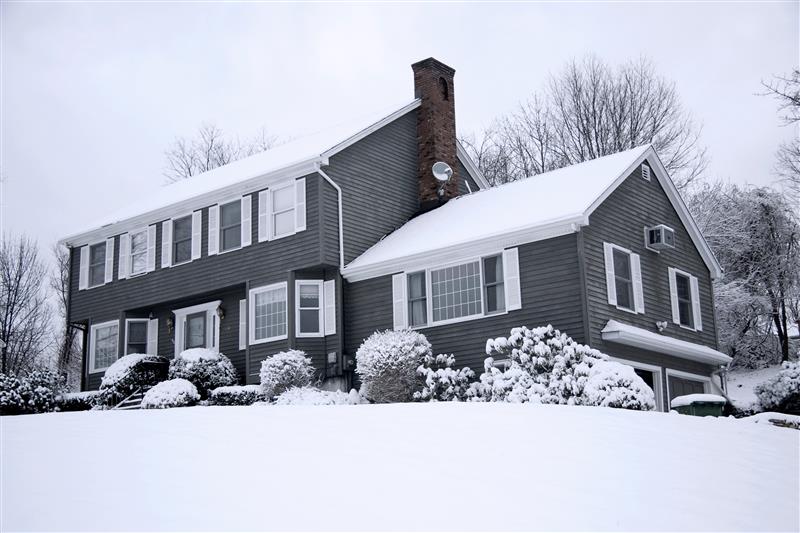
How to Winterize Your Rental Property: A Guide for Property Managers and Landlords How to Winterize Your Rental Property: A Guide for Property Managers and Landlords
As temperatures drop, property managers face the critical task of preparing rental properties for winter. Winterizing isn’t just about comfort—it’s about protecting your investment, avoiding costly repairs, and ensuring tenant satisfaction. This guide covers everything you need to know to winterize your rental property effectively.
Why Winterizing Your Rental Property Matters
Cold weather can wreak havoc on buildings if preventive measures aren’t taken. Frozen pipes, roof leaks, and inefficient heating systems can lead to expensive emergencies. By winterizing your property, you:
- Prevent costly damage from freezing temperatures.
- Improve energy efficiency, reducing utility bills.
- Enhance tenant safety and comfort, boosting retention.
Step 1: Inspect and Service the Heating System
Schedule a Professional HVAC Check
Before winter hits, ensure your heating system is in top shape. A professional inspection can identify issues like dirty filters, worn belts, or malfunctioning thermostats.
Tip: Replace air filters and test thermostats for accuracy. Encourage tenants to report any heating problems immediately.
Step 2: Protect Plumbing from Freezing
Insulate Pipes
Frozen pipes are one of the most common winter disasters. Wrap exposed pipes in basements, attics, and crawl spaces with insulation sleeves or heat tape.
Drain Outdoor Faucets
Disconnect hoses and drain outdoor spigots to prevent ice buildup. If your property has an irrigation system, schedule a blowout to clear water from the lines.
Step 3: Seal Drafts and Improve Insulation
Check Windows and Doors
Drafty windows and doors can spike heating costs. Apply weatherstripping or caulk to seal gaps. Consider installing storm windows for added protection.
Inspect Attic and Wall Insulation
Proper insulation keeps heat inside and prevents ice dams on roofs. If insulation is lacking, consider upgrading to meet energy efficiency standards.
Step 4: Prepare the Roof and Gutters
Clean Gutters
Clogged gutters can lead to ice dams and water damage. Remove leaves and debris, and ensure downspouts direct water away from the foundation.
Inspect the Roof
Look for missing shingles or signs of wear. Schedule repairs before snow and ice accumulate.
Step 5: Test Smoke and Carbon Monoxide Detectors
Winter means increased use of heating systems, which can raise the risk of carbon monoxide leaks. Test all detectors and replace batteries as needed. This simple step can save lives.
Step 6: Communicate with Tenants
Provide Winter Guidelines
Send tenants a checklist with tips like keeping heat on, reporting leaks, and avoiding frozen pipes. Clear communication reduces emergencies and keeps everyone safe.
Bonus Tip: Schedule a Pre-Winter Walkthrough
A quick walkthrough before the first freeze can catch issues early. Document your findings and schedule necessary repairs promptly.
Final Thoughts
Winterizing your rental property is an investment in safety, efficiency, and tenant satisfaction. By following these steps, property managers can avoid costly repairs and ensure a smooth winter season.
Want to streamline your rent collection and security deposit processes so you can focus on getting your properties ready for the colder months? Leader Bank offers a full range of property management banking solutions including ZRent automatic rent collection and ZDeposit security deposit automation.