Using a HELOC for Solar Panels: Costs, Pros, Risks, and Alternatives Using a HELOC for Solar Panels: Costs, Pros, Risks, and Alternatives
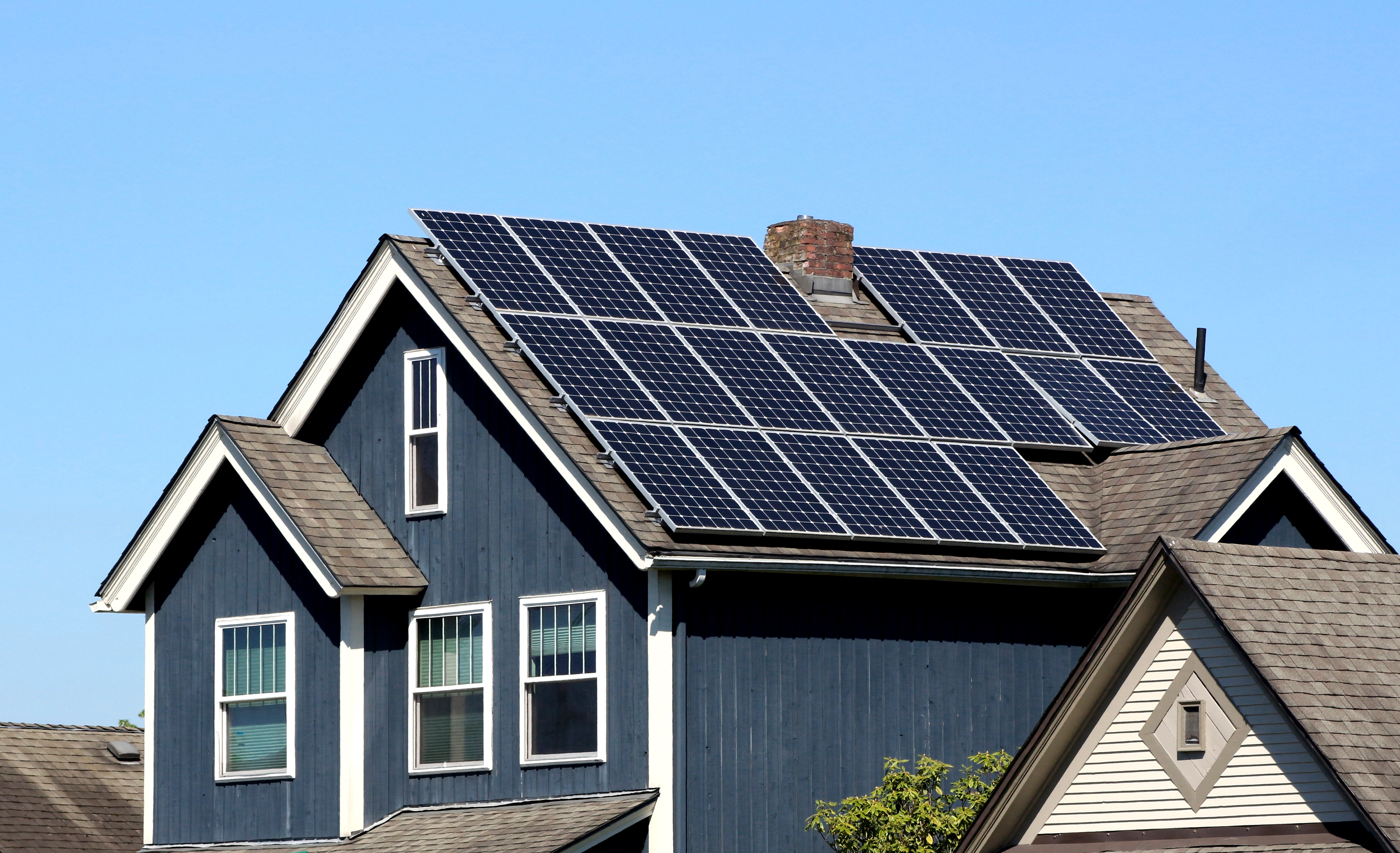
As more homeowners look for ways to reduce energy costs and invest in sustainability, solar panels have become an increasingly popular upgrade for their homes. But with solar panel installation costs often reaching tens of thousands of dollars, financing plays a major role in making solar panels more accessible.
One option that many homeowners consider is a Home Equity Line of Credit (HELOC). Leveraging your home’s equity can offer flexibility and competitive rates – but it’s important to understand how it compares to other financing options before moving forward.
Can You Use a HELOC for Solar?
Yes, you can absolutely use a HELOC to finance solar panel installation. A HELOC allows homeowners to borrow against the equity they’ve built in their home, typically offering a revolving line of credit with variable interest rates.
Because solar panels are considered a home improvement, many homeowners use HELOC funds to cover installation, equipment, and related costs. This approach can be especially appealing if you want flexibility in how and when you draw funds during the project.
How Much Do Solar Panels Typically Cost?
The cost of a solar panel system varies based on factors like home size, location, energy needs, and system design. On average:
- Many residential solar panel systems range from $15,000 to $30,000+ before incentives
- Federal tax credits and state/local incentives can significantly reduce net costs
- Larger homes or premium solar panel systems (battery storage, high-efficiency panels) may exceed $40,000
Because of these upfront costs, many homeowners turn to financing options like HELOCs to spread payments over time while still realizing energy savings, depending on energy prices, usage, incentives, costs, financing terms, and other factors.
Why Homeowners Use HELOCs for Solar Panel Financing
A HELOC offers several advantages that make it an attractive option for financing solar panels:
- Lower interest rates: Typically lower than credit cards or unsecured loans
- Interest-only payments (during the draw period): Can help with short-term cash flow
- Potential tax benefits: Interest may be tax-deductible when used for home improvements and you may be eligible for federal, state, or local incentives (consult your tax advisor)
For homeowners with significant equity, a HELOC can provide a cost-effective way to invest in long-term energy savings without fully depleting savings.
HELOC vs. Solar Loan vs. Cash Payment
Before choosing a HELOC, it’s helpful to compare it to other common financing options:
HELOC
- Secured by your home
- Variable interest rates
- Flexible draw period
- Best for: homeowners with equity who want flexibility
Solar Loan
- Typically unsecured or secured by the equipment
- Fixed monthly payments
- May include dealer fees or higher rates
- Best for: predictable payments without using home equity
Cash Payment
- No interest or loan fees
- Maximizes long-term savings and ROI
- Requires significant upfront liquidity
- Best for: homeowners who can comfortably pay upfront
Each option has its trade-offs, but a HELOC often stands out for its balance of flexibility and competitive rates, depending on market conditions and borrower qualifications.
Benefits and Risks of Financing Solar Panels with Home Equity
Like any financial decision, using a HELOC comes with both advantages and considerations.
HELOC Benefits:
- Lower rates compared to many unsecured loans
- Flexible borrowing and repayment options
- Ability to fund additional home improvements if needed
- Immediate access to funds for project timelines
HELOC Risks:
- Your home is collateral: Missed payments could put your home at risk
- Variable interest rates: Monthly payments may increase over time
- Overborrowing: Easy access to funds may encourage borrowing more than planned
- Market sensitivity: Changing home values can impact available equity
The key is to align your financing choice with your financial goals, risk tolerance, and long-term plans.
How Much Can You Borrow?
How much you can borrow with a HELOC depends on your home’s value and your existing mortgage balance. In general:
- Lenders may allow you to borrow up to 80–85% of your home’s value (combined loan-to-value ratio), depending on credit approval and borrower qualifications
- The difference between that limit and your current mortgage balance determines your available credit line
For example, if your home is valued at $600,000 and you owe $350,000, you may be able to access a portion of the remaining equity, depending on lender guidelines and credit profile.
Questions to Ask Before Financing a Solar Panel Installation
Before using a HELOC for solar panels, it’s important to ask the right questions:
- How long do you plan to stay in your home?
- Will the energy savings offset the cost of borrowing?
- Are you comfortable with a variable interest rate?
- How much equity do you have available—and how much should you use?
- Are there additional incentives or rebates you can factor into your decision?
Taking time to evaluate these factors can help ensure your solar investment supports both your financial and sustainability goals.
Using a HELOC for Solar Panel Installation FAQs
Is using a HELOC for solar a good idea?
It can be a strong option for homeowners with available equity who want flexible, lower-cost financing compared to unsecured loans.
How quickly can I access funds from a HELOC?
Once approved, many HELOCs allow for quick draws, making it easier to align financing with project timelines.
Does solar increase home value?
In many cases, solar installations can enhance home value and appeal, especially in energy-conscious markets.
Are there tax benefits?
Solar installations may qualify for federal tax credits or state/local incentives, and HELOC interest may be deductible if used for qualified home improvements. Always consult a tax advisor.
Ready to Explore Your HELOC for Solar Panel Options?
If you’re considering solar panels, a HELOC can be a smart way to finance your investment while maintaining flexibility. Our HELOC experts can walk you through current rates and outline how a HELOC could help you achieve a range of financial goals.
And if you’re wondering what amount you could qualify for with a HELOC, be sure to check out our HELOC calculator!
*Subject to credit approval. Variable rates may change and increase your monthly payment.