What Does the End of Penny Production Mean? What Does the End of Penny Production Mean?
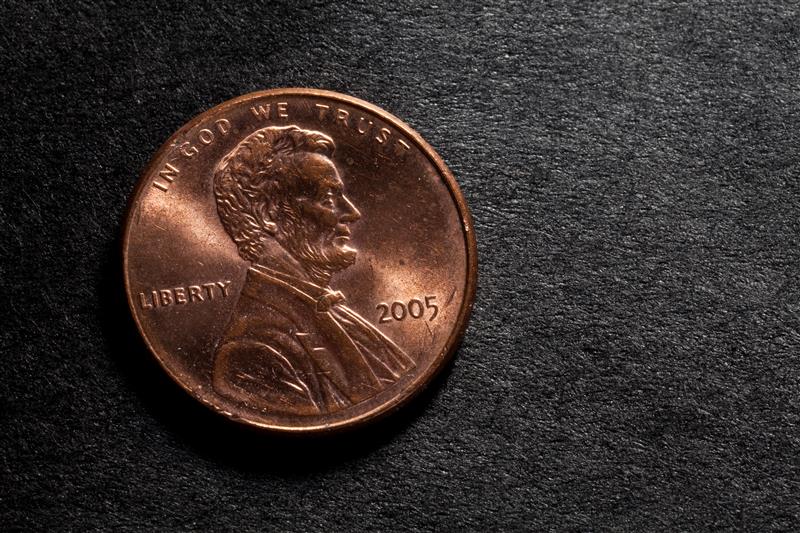
After more than 230 years, the U.S. Mint has officially stopped producing pennies. On November 12, 2025, the final batch of one-cent coins was struck at the Philadelphia Mint, marking the end of an era for America’s smallest denomination. While pennies will remain legal tender, their discontinuation raises important questions for consumers, businesses, and banks. Here’s what you need to know about why penny production is ending, what it means for everyday transactions, and how Leader Bank is here to help you navigate this transition.
Why is Penny Production Ending?
The decision to halt penny production comes down to cost and usage:
- High production costs: Each penny costs about 3.69 cents to produce, far exceeding its face value.
- Declining cash use: With digital payments on the rise, pennies have become underutilized.
- Government savings: Ending penny production is expected to save taxpayers about $56 million annually.
This move aligns the U.S. with countries like Canada and Australia, which phased out their smallest coins years ago.
How Long Will Pennies Remain in Circulation?
There are more than 100 billion pennies still in circulation today. While production has ended, these coins will remain legal tender for years—possibly decades—until they naturally wear out or are withdrawn.
Will Pennies Still Be Available in Leader Bank Branches?
Yes—pennies remain legal tender and can still be deposited or exchanged at Leader Bank. However:
- No new pennies will be minted, so supplies will gradually decline. Some Leader Bank branches may continue to receive pennies for a limited time, while others may run short on pennies sooner.
- The Federal Reserve has already begun limiting penny distribution, and some banks are already reporting shortages.
If you have jars of pennies at home, now is a great time to bring them in and deposit them. Leader Bank will continue to accept pennies for as long as they remain in circulation.
What is the Impact for Consumer Banking Clients?
For most consumers, the impact will be minimal—especially consumers who primarily use digital payments. Pennies will still be accepted at retailers as part of cash transactions, and you’ll still be able to deposit them at banks since they remain legal tender.
One important change to note is that you may begin to see cash transactions at retailers rounded to the nearest nickel. Without pennies, retailers will round totals to the nearest nickel. Common rounding rules:
- 1, 2, 6, or 7 cents → round down
- 3, 4, 8, or 9 cents → round up
- 0 or 5 cents → no change
Digital transactions like debit, credit, and ACH payments will be unaffected and will still settle to the exact cent.
What is the Impact for Business Banking Clients?
Businesses—especially those handling large volumes of cash—may feel the change more acutely:
- Operational adjustments: Retailers must update point-of-sale systems to handle rounding rules and comply with state regulations.
- Client communication: Transparency is key. Posting signage, conducting outreach, and updating your website with rounding policies can help maintain trust.
- Coin management: If your business relies on regular coin orders, it’s important to start to review your existing inventory and prepare for reduced penny availability moving forward.
Leader Bank is Here to Help
The end of penny production is a historic shift, but you don’t have to navigate it alone. Whether you’re a consumer client wondering about rounding or a business preparing for operational changes, our team is here every step of the way. Don’t hesitate to reach out to us at 781-641-8686 or clientservices@leaderbank.com.