Townhouse Financing Guide: How to Buy a Townhouse with Confidence Townhouse Financing Guide: How to Buy a Townhouse with Confidence
For many homebuyers, a townhouse offers the perfect balance between a single-family home and a condominium. Townhouses often provide more space, greater privacy, and lower maintenance responsibilities, making them an attractive option for first-time buyers, growing families, and downsizers alike.
If you're considering purchasing a townhouse, understanding the financing process is an important step toward a successful homebuying experience. While financing a townhouse is similar to financing other types of homes, there are unique considerations that can impact your mortgage options, approval process, and overall costs.
In this guide, we'll walk through townhouse financing, what lenders evaluate, and how to prepare for a smooth purchase.
What is a Townhouse?
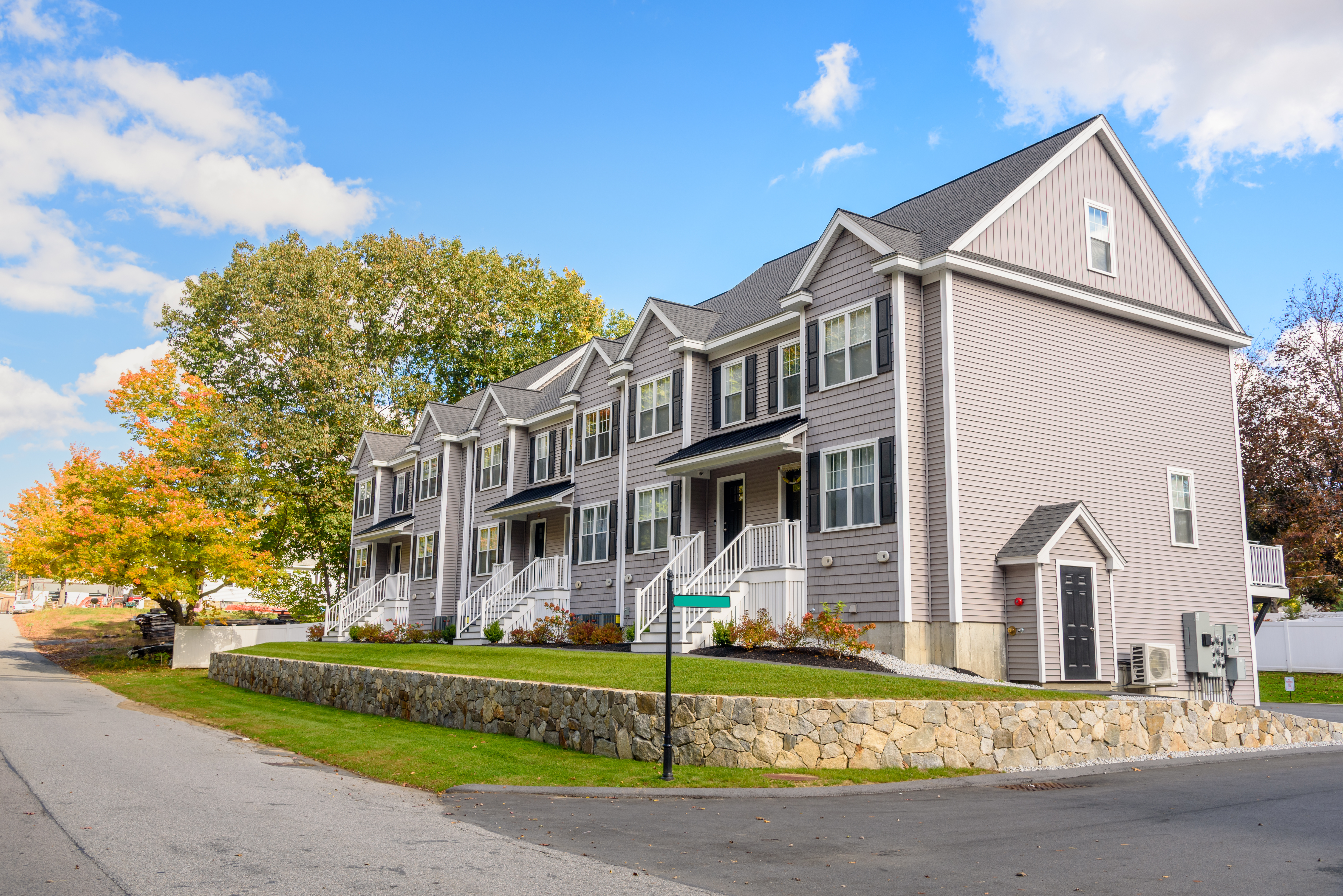
A townhouse is a multi-level home that shares one or more walls with neighboring properties but is individually owned. Unlike many condominiums, townhouse owners typically own both the home's interior and exterior, along with the land beneath it.
Townhouses are popular because they often offer:
- More living space than a condominium
- Lower maintenance responsibilities than a single-family home
- Private entrances and outdoor areas
- Access to community amenities
- Greater affordability in competitive housing markets
Because ownership structures can vary from one development to another, it's important to understand how the property is legally classified before beginning the financing process.
How Does Townhouse Financing Work?
In many cases, financing a townhouse is similar to financing a single-family residence. Borrowers can utilize conventional loans, FHA loans, VA loans (for eligible veterans and service members), or jumbo mortgages depending on their financial profile and loan amount.
However, lenders will also evaluate factors that are unique to townhouse communities, particularly when a homeowners association (HOA) is involved.
H3: Property Classification Matters
One of the first things your lender will determine is whether the townhouse is classified as:
- A single-family attached home
- A condominium townhouse
- A planned unit development (PUD)
The property's classification can influence underwriting guidelines, down payment requirements, available loan programs, and documentation needed for approval.
Working with an experienced mortgage lender can help ensure there are no surprises during the financing process.
What Lenders Look for When Financing a Townhouse
When evaluating a townhouse purchase, lenders review many of the same factors they would for any other home loan, like credit score, income and employment information, the debt-to-income ratio, and the downpayment you are able to make.
Credit Score
Your credit score helps lenders assess your ability to manage debt and make mortgage payments on time. A stronger credit profile may help you qualify for more favorable loan terms and interest rates.
Income and Employment
Lenders review your income, employment history, and overall financial stability to determine your ability to repay the loan.
Debt-to-Income Ratio (DTI)
Your debt-to-income ratio compares your monthly debt obligations to your gross monthly income. Lower DTI ratios generally indicate less financial risk to lenders.
Down Payment
Down payment requirements vary depending on the loan program and property type. Some borrowers may qualify for low down payment options, while others may choose to put more down to lower their monthly payment.
Understanding HOA Considerations
Many townhouse communities are governed by a homeowners association, or HOA. These organizations collect fees and maintain common areas, amenities, landscaping, and shared infrastructure.
When financing a townhouse, lenders often review:
- Monthly HOA fees
- HOA financial health
- Insurance coverage
- Reserve funds
- Occupancy rates within the community
- Pending litigation involving the association
These factors help lenders assess the long-term stability and financial condition of the community.
Before purchasing a townhouse, buyers should understand exactly what their HOA fees cover and review any applicable rules and regulations.
Benefits of Buying a Townhouse
Townhouses continue to grow in popularity because they offer a unique combination of affordability, convenience, and homeownership benefits.
Lower Maintenance Responsibilities
Many townhouse communities handle exterior maintenance, landscaping, snow removal, and common area upkeep, reducing the amount of work homeowners must manage themselves.
More Space Than Many Condos
Townhouses often provide multiple levels, attached garages, private patios, and additional living space that may be difficult to find in traditional condominium units.
Strong Value in Competitive Markets
In areas where single-family homes may be out of reach for some buyers, townhouses can provide an excellent path to homeownership while still offering many of the same advantages.
Tips for Securing Townhouse Financing
Preparing ahead of time can help make the mortgage process smoother and improve your chances of securing favorable financing.
Get Pre-Approved Early
A mortgage pre-approval provides a clear understanding of your purchasing power and demonstrates to sellers that you're a serious buyer.
Review HOA Documentation
Understanding HOA fees, rules, and financial health before making an offer can help avoid unexpected costs later.
Maintain Financial Stability
Avoid opening new credit accounts or making major purchases before closing, as changes to your financial profile can impact mortgage approval.
Work with a Local Mortgage Expert
An experienced lender can help navigate property classifications, HOA reviews, and loan program options specific to townhouse purchases.
Choose Massachusetts' #1 Home Purchase Lender for Your Townhouse Financing
Buying a townhouse is an exciting step toward homeownership, and choosing the right lending partner can make all the difference.
Leader Bank is proud to have been named the #1 Home Purchase Lender in Massachusetts and has helped thousands of homebuyers successfully finance their homes across the Commonwealth and beyond. Our experienced mortgage professionals understand the unique considerations involved in townhouse financing, from HOA reviews and property classifications to finding the mortgage program that best fits your goals.
Whether you're purchasing your first townhouse, moving to a larger home, or looking for a low-maintenance lifestyle, our team is here to guide you through every step of the process.
Ready to Finance Your Townhouse?
Connect with a Leader Bank Loan Officer today to explore your financing options, get pre-approved, and move forward with confidence.
Contact Leader Bank today or speak with a mortgage expert to start your townhouse homebuying journey.