Using a HELOC for a Home Addition: What to Know Before You Borrow Using a HELOC for a Home Addition: What to Know Before You Borrow
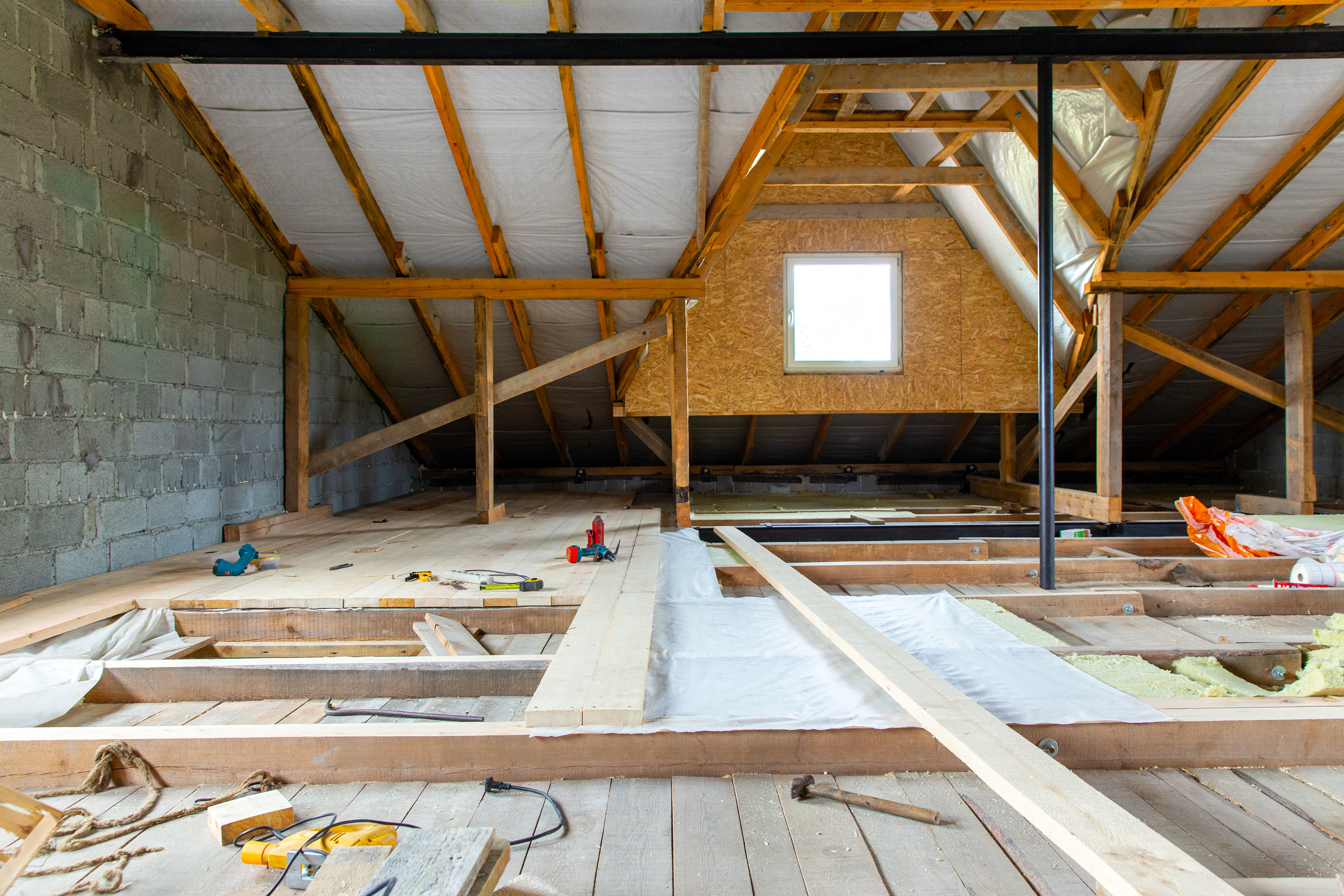
Expanding your home – whether it’s adding a new bedroom, finishing a basement, or building an in-law suite – can improve both your living space and your property value. But financing a home addition is a major decision. For many homeowners, a Home Equity Line of Credit (HELOC) offers a flexible and cost-effective way to fund these projects.
Here’s what you should know before you borrow.
Is a HELOC a Good Way to Finance a Home Addition?
A HELOC can be a strong option for financing an addition to your home if you’ve built up equity in your home and want a flexible way to cover renovation costs. A HELOC works more like a credit line – you can borrow what you need, when you need it, during the draw period.
This makes it especially useful for home additions, where costs can fluctuate based on materials, labor, and unexpected changes. Instead of borrowing a lump sum upfront, you can access funds as your project progresses.
If you’re comfortable with variable interest rates and disciplined about managing your borrowing, a HELOC can be a smart and efficient financing solution.
How Much Does a Home Addition Typically Cost?
The cost of a home addition varies widely depending on the size, scope, and location of the project. On average:
- Small additions (e.g., bathroom or office): $20,000 – $75,000
- Mid-size additions (e.g., bedroom or family room): $75,000 – $150,000
- Large additions (e.g., second-story or major expansion): $150,000+
In Massachusetts, costs can run higher due to labor and permitting requirements. It’s important to build in a contingency buffer – typically 10–20% -- for unexpected expenses.
A HELOC’s flexibility can help you navigate these shifting costs without overborrowing upfront.
Why Some Homeowners Choose a HELOC Instead of a Lump-Sum Loan
One of the biggest advantages of a HELOC is control. With a lump-sum loan, you receive all of the funds at once and begin paying interest on the full amount immediately.
With a HELOC:
- You only pay interest on what you draw
- You can borrow in stages as your project progresses
- You can reuse funds if needed during the draw period
This structure aligns well with how home addition projects unfold in phases, with evolving costs.
Pros and Cons of a HELOC for a Home Addition
Pros:
- Flexible access to funds
- Interest-only payment options during draw period
- Potentially lower initial rates than fixed loans
- Reusable line of credit
Cons:
- Variable interest rates can increase over time
- Requires discipline to avoid overborrowing
- Your home is used as collateral
- Payments may rise during the repayment period
Understanding both sides can help you decide if a HELOC fits your financial goals and risk tolerance.
HELOC vs. Home Equity Loan vs. Construction Financing
When comparing financing options, it is helpful to understand how they differ:
- HELOC: Good for flexible, phased projects. Variable rates and revolving credit structure.
- Home Equity Loan: Fixed-rate, lump-sum loan, useful if you know your exact project cost upfront and prefer predictable payments.
- Construction Loan: Designed for major renovations or new builds. Often includes stricter approval requirements and converts to a mortgage after completion.
For many homeowners completing additions rather than full rebuilds, a HELOC strikes a balance between flexibility and accessibility.
How Much Can You Borrow Based on Your Equity?
Most lenders allow you to borrow up to 80–85% of your home’s appraised value, minus your existing mortgage balance subject to appraisal. Your actual borrowing limit will depend on your lender, credit profile, and overall financial picture.
For example:
- Home value: $800,000
- 80% loan-to-value limit: $640,000
- Current mortgage balance: $500,000
- Potential HELOC amount: $140,000
Your actual borrowing limit will depend on your lender, credit profile, and overall financial picture.
What Lenders Look for When Approving a HELOC
When applying for a HELOC, lenders typically evaluate:
- Home equity: Sufficient ownership stake in your property
- Credit score: Generally 680+ for competitive rates
- Debt-to-income ratio (DTI): Ability to manage monthly payments
- Income stability: Consistent earnings and employment history
Strong financials can help you secure better terms and a higher credit limit.
Common Mistakes to Avoid
Before using a HELOC for a home addition, watch out for these common pitfalls:
- Underestimating project costs: Always build in a contingency buffer
- Overborrowing: Stick to a clear budget and avoid unnecessary draws
- Ignoring rate changes: Plan for potential increases in variable rates
- Not comparing lenders: Rates, fees, and terms can vary significantly
- Skipping contractor vetting: Poor workmanship can impact your home’s value
Being proactive can help you stay on budget and avoid unnecessary financial stress.
HELOC FAQs
Can I use a HELOC for any type of home addition?
Yes, HELOC funds can typically be used for a wide range of projects, from small upgrades to major expansions.
Are HELOC interest rates fixed or variable?
Most HELOCs have variable rates, meaning your payment can change over time.
How long is the HELOC draw period?
Many HELOCs offer a 10-year draw period followed by a repayment phase.
Will a home addition increase my home’s value?
In many cases, yes – especially for functional additions like bedrooms or living space. However, return on investment can vary.
Explore Your HELOC Options
If you’re considering a home addition, a HELOC can give you the flexibility to finance your project on your terms. Be sure to use our HELOC calculator to determine how much you could qualify for based on the appraised value of your home, any outstanding home loans, and your loan to value ratio limit.
Connect with one of our HELOC experts today to learn about current rates as well as how a HELOC can fit into your home addition plans!